Leon Basin
Strategic Business Development Leader | Spearheading AI-Enhanced Cybersecurity Solutions to Transform Privileged Access Management in the USA 🇺🇸
June 26, 2024
In today’s rapidly evolving business landscape, the ability to reflect on one’s actions and communicate transparently has become a cornerstone of success.
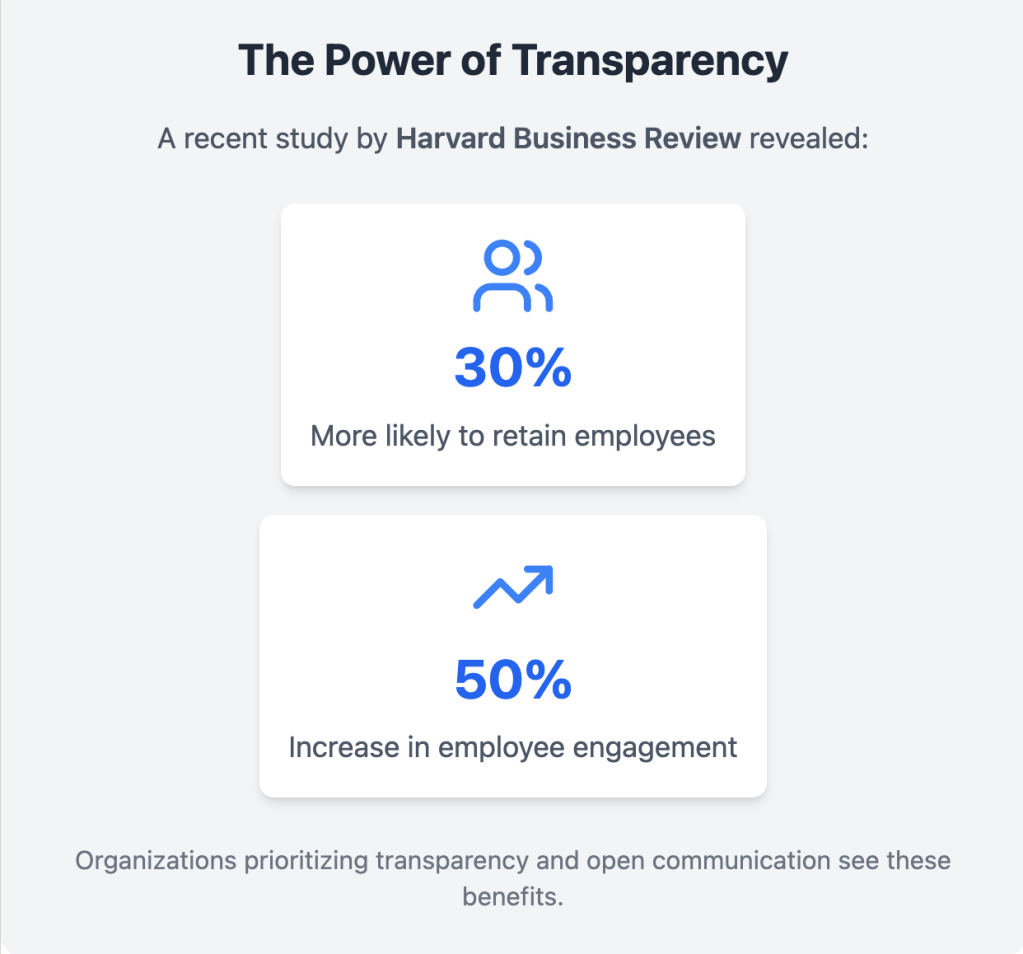
A recent study by Harvard Business Review revealed striking statistics: organizations prioritizing transparency and open communication are 30% more likely to retain employees and experience a remarkable 50% increase in employee engagement levels.
This article delves into the intricate interplay between self-reflection, truth, and communication, exploring how these elements collectively shape healthier, more productive workplace environments.
The Mirror of Self-Reflection in Business
Self-reflection serves as a powerful catalyst for both personal and professional growth. It empowers individuals to critically assess their actions, thoughts, and motivations, fostering greater self-awareness and enhancing decision-making capabilities.
In the business realm, self-reflection plays a pivotal role in developing effective communication strategies and nurturing a culture of openness.
Real-world example: At Bridgewater Associates, the world’s largest hedge fund, founder Ray Dalio implemented a culture of “radical transparency” where employees are encouraged to reflect on and openly discuss their mistakes.
This approach has led to improved decision-making and a more resilient organization.
Practical tip: Implement regular “reflection sessions” where team members can openly discuss recent projects, highlighting both successes and areas for improvement.
Truth and Transparency in Business Communication
Honesty and transparency form the bedrock of trust within any organization.
Transparent communication cultivates an inclusive work culture that not only values but actively seeks out diverse ideas and perspectives.
When leaders maintain openness about their intentions and decisions, it creates a ripple effect, encouraging employees to voice their thoughts and concerns without fear of repercussions.
Case study: Buffer, a social media management platform, practices “default to transparency” by publicly sharing employee salaries, equity formulas, and even revenue numbers.
This radical transparency has resulted in high employee satisfaction and a strong, loyal customer base.
Challenge: How can your organization increase transparency without compromising sensitive information?
Consider creating a “transparency roadmap” outlining areas where increased openness can benefit the company.
Psychological Safety and Freedom of Speech
Psychological safety—the belief that one can speak up without fear of negative consequences—is inextricably linked to freedom of speech in the workplace.
When employees feel secure in expressing their opinions and ideas, it catalyzes more vibrant discussions, leading to enhanced problem-solving and innovation.
Research insight: Google’s Project Aristotle found that psychological safety was the most important factor in building successful teams, outweighing even individual performance in predicting team success.
Action item: Conduct an anonymous survey to assess the level of psychological safety in your organization. Use the results to identify areas for improvement and develop targeted strategies.
The Union of Internal and External Communication
Aligning internal beliefs with external communication is crucial for authentic leadership and a cohesive organizational culture.
Leaders who consistently embody their values in both actions and communications inspire trust and loyalty among their workforce.
This alignment ensures that the organization’s message remains consistent across all channels, reinforcing its identity and mission.
Example: Patagonia’s commitment to environmental sustainability is reflected both in its internal practices and its external messaging, creating a powerful and authentic brand identity.
Reflection question: How well do your company’s internal practices align with its external messaging?
Identify any discrepancies and brainstorm ways to bridge the gap.
The Role of Leadership in Modeling Behavior
Leaders play a pivotal role in shaping the communication culture of an organization.
By actively practicing self-reflection and transparent communication, they set a powerful example for their teams.
This modeling of behavior demonstrates the importance of honesty, openness, and accountability, encouraging employees to adopt similar practices.
Leadership example: Microsoft CEO Satya Nadella transformed the company’s culture by modeling growth mindset and encouraging open communication, leading to a resurgence in innovation and market value.
Leadership challenge: Identify one area where you, as a leader, can model more transparent behavior this week. Share your experience and the impact it had on your team.
Conclusion
The integration of freedom of speech principles with self-reflection and psychological safety in business is not merely beneficial—it’s imperative for success in the modern corporate world.
By fostering an environment of honesty, transparency, and psychological safety, organizations lay the groundwork for ethical practices and sustainable success.
As we embrace these principles, we pave the way for a future where open communication and trust are not just ideals, but the very foundation of our business practices.
Call to Action
How can we implement these principles in our own workplaces?
Share your thoughts, experiences, and innovative ideas in the comments below. Let’s work together to create more transparent, reflective, and psychologically safe work environments.
Social Sharing
Help spread these insights and engage with a broader audience:
Share on LinkedIn | Share on X
About the Author: Leon Basin is a thought leader in strategic business development, specializing in AI-enhanced cybersecurity solutions. With a passion for transforming privileged access management, Leon brings a unique perspective on the intersection of technology, leadership, and organizational culture.


Leave a comment